Paw Paw Fruit Seeds
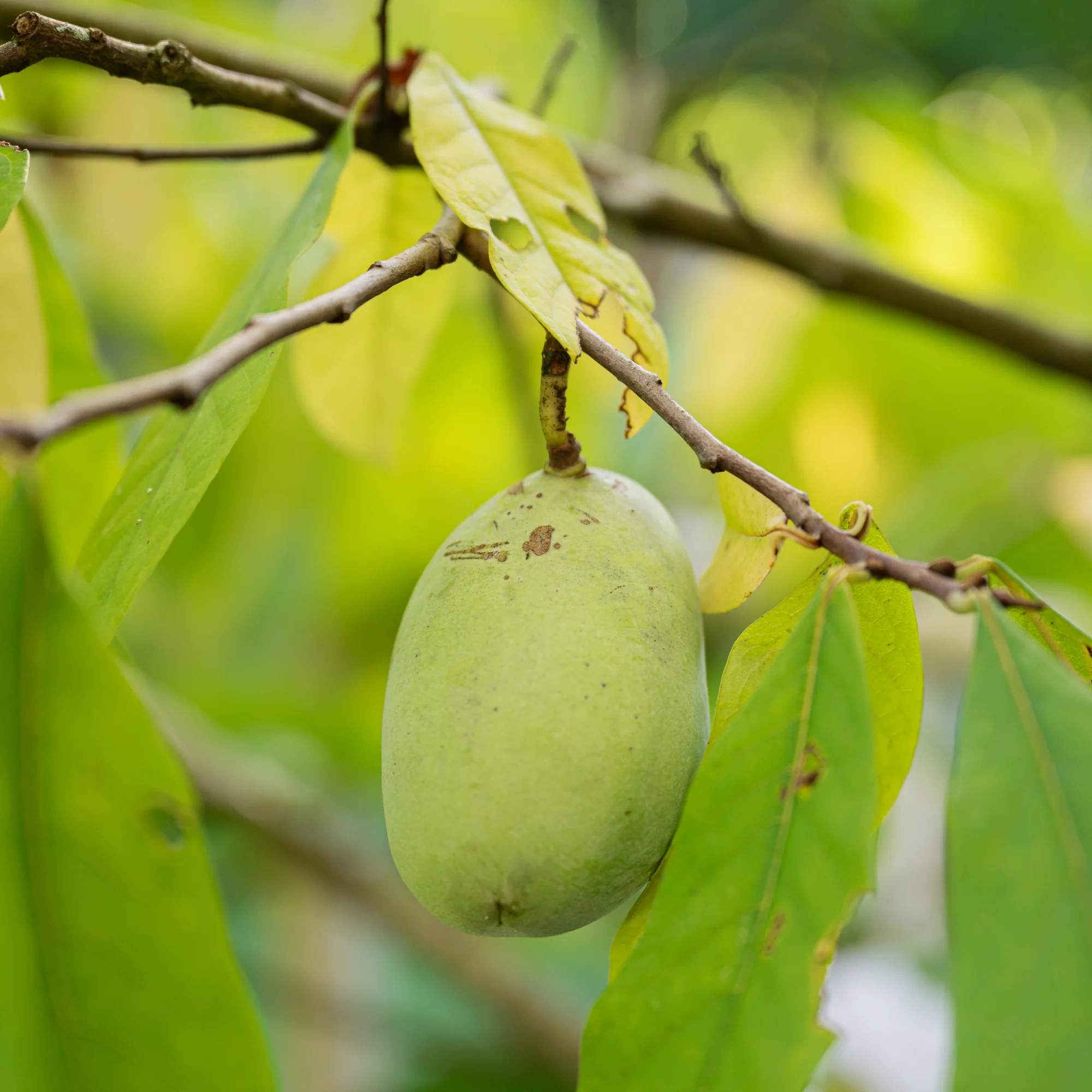
Grow the Pawpaw Tree (Asimina triloba) — a cold-hardy native fruit tree that produces sweet, custard-like fruits with a tropical flavor similar to banana and mango. These Non-GMO, high-germination seeds are perfect for home gardens, orchards, and containers. Known for its fragrant flowers, rich flavor, and adaptability, the Pawpaw is one of North America’s best-kept fruit secrets.
Features:
- Authentic Pawpaw Fruit Seeds (Asimina triloba)
- 100% Natural and Non-GMO
- Produces Sweet, Tropical-Tasting Fruits
- Hardy Native Tree for Diverse Climates
- Suitable for Home Gardens, Orchards, and Containers
- Fragrant Flowers Attract Pollinators
- Low-Maintenance and High-Yield
Specifications:
Botanical Name: Asimina triloba
Common Name (U.S.): Pawpaw Fruit Seeds
Seed Type: Non-GMO, Open-Pollinated
Plant Type: Deciduous Fruit Tree
Soil Type: Moist, well-drained loamy or sandy soil
Soil pH: 5.5–7.0
Sunlight: Full Sun to Partial Shade
Watering: Moderate; prefers consistent moisture
Temperature Range: 15°C–30°C (59°F–86°F)
Hardiness Zones: USDA Zones 5–9
Planting Season: Fall or Spring
Germination Time: 6–10 weeks (requires cold stratification)
Maturity Time: 4–6 years for fruit production from seed
Plant Height: 10–25 feet (mature tree)
Spacing: 8–10 feet apart
Pests/Diseases: Resistant to most pests; minimal maintenance required
Planting Guide:
- Cold stratify seeds for 60–90 days at 1–5°C (34–41°F).
- After stratification, plant seeds 1–2 inches deep in moist, well-drained soil.
- Maintain consistent moisture during germination.
- Transplant seedlings to garden beds or containers once 6–10 inches tall.
- Provide full sun or partial shade for best fruit yield.
- Expect fruiting in 4–6 years; cross-pollination between two trees enhances yield.
Additional Information:
- Produces large, custard-textured fruits with sweet tropical flavor.
- Hardy, native tree that thrives in many climates.
- Fragrant flowers attract bees and butterflies.
- Excellent for naturalized gardens, edible landscapes, or small orchards.
- Suitable for beginner gardeners; tolerant to mild drought once established.
Grow the Pawpaw Tree (Asimina triloba) — a cold-hardy native fruit tree that produces sweet, custard-like fruits with a tropical flavor similar to banana and mango. These Non-GMO, high-germination seeds are perfect for home gardens, orchards, and containers. Known for its fragrant flowers, rich flavor, and adaptability, the Pawpaw is one of North America’s best-kept fruit secrets.
Features:
- Authentic Pawpaw Fruit Seeds (Asimina triloba)
- 100% Natural and Non-GMO
- Produces Sweet, Tropical-Tasting Fruits
- Hardy Native Tree for Diverse Climates
- Suitable for Home Gardens, Orchards, and Containers
- Fragrant Flowers Attract Pollinators
- Low-Maintenance and High-Yield
Specifications:
Botanical Name: Asimina triloba
Common Name (U.S.): Pawpaw Fruit Seeds
Seed Type: Non-GMO, Open-Pollinated
Plant Type: Deciduous Fruit Tree
Soil Type: Moist, well-drained loamy or sandy soil
Soil pH: 5.5–7.0
Sunlight: Full Sun to Partial Shade
Watering: Moderate; prefers consistent moisture
Temperature Range: 15°C–30°C (59°F–86°F)
Hardiness Zones: USDA Zones 5–9
Planting Season: Fall or Spring
Germination Time: 6–10 weeks (requires cold stratification)
Maturity Time: 4–6 years for fruit production from seed
Plant Height: 10–25 feet (mature tree)
Spacing: 8–10 feet apart
Pests/Diseases: Resistant to most pests; minimal maintenance required
Planting Guide:
- Cold stratify seeds for 60–90 days at 1–5°C (34–41°F).
- After stratification, plant seeds 1–2 inches deep in moist, well-drained soil.
- Maintain consistent moisture during germination.
- Transplant seedlings to garden beds or containers once 6–10 inches tall.
- Provide full sun or partial shade for best fruit yield.
- Expect fruiting in 4–6 years; cross-pollination between two trees enhances yield.
Additional Information:
- Produces large, custard-textured fruits with sweet tropical flavor.
- Hardy, native tree that thrives in many climates.
- Fragrant flowers attract bees and butterflies.
- Excellent for naturalized gardens, edible landscapes, or small orchards.
- Suitable for beginner gardeners; tolerant to mild drought once established.
Original: $14.99
-65%$14.99
$5.25Description
Grow the Pawpaw Tree (Asimina triloba) — a cold-hardy native fruit tree that produces sweet, custard-like fruits with a tropical flavor similar to banana and mango. These Non-GMO, high-germination seeds are perfect for home gardens, orchards, and containers. Known for its fragrant flowers, rich flavor, and adaptability, the Pawpaw is one of North America’s best-kept fruit secrets.
Features:
- Authentic Pawpaw Fruit Seeds (Asimina triloba)
- 100% Natural and Non-GMO
- Produces Sweet, Tropical-Tasting Fruits
- Hardy Native Tree for Diverse Climates
- Suitable for Home Gardens, Orchards, and Containers
- Fragrant Flowers Attract Pollinators
- Low-Maintenance and High-Yield
Specifications:
Botanical Name: Asimina triloba
Common Name (U.S.): Pawpaw Fruit Seeds
Seed Type: Non-GMO, Open-Pollinated
Plant Type: Deciduous Fruit Tree
Soil Type: Moist, well-drained loamy or sandy soil
Soil pH: 5.5–7.0
Sunlight: Full Sun to Partial Shade
Watering: Moderate; prefers consistent moisture
Temperature Range: 15°C–30°C (59°F–86°F)
Hardiness Zones: USDA Zones 5–9
Planting Season: Fall or Spring
Germination Time: 6–10 weeks (requires cold stratification)
Maturity Time: 4–6 years for fruit production from seed
Plant Height: 10–25 feet (mature tree)
Spacing: 8–10 feet apart
Pests/Diseases: Resistant to most pests; minimal maintenance required
Planting Guide:
- Cold stratify seeds for 60–90 days at 1–5°C (34–41°F).
- After stratification, plant seeds 1–2 inches deep in moist, well-drained soil.
- Maintain consistent moisture during germination.
- Transplant seedlings to garden beds or containers once 6–10 inches tall.
- Provide full sun or partial shade for best fruit yield.
- Expect fruiting in 4–6 years; cross-pollination between two trees enhances yield.
Additional Information:
- Produces large, custard-textured fruits with sweet tropical flavor.
- Hardy, native tree that thrives in many climates.
- Fragrant flowers attract bees and butterflies.
- Excellent for naturalized gardens, edible landscapes, or small orchards.
- Suitable for beginner gardeners; tolerant to mild drought once established.