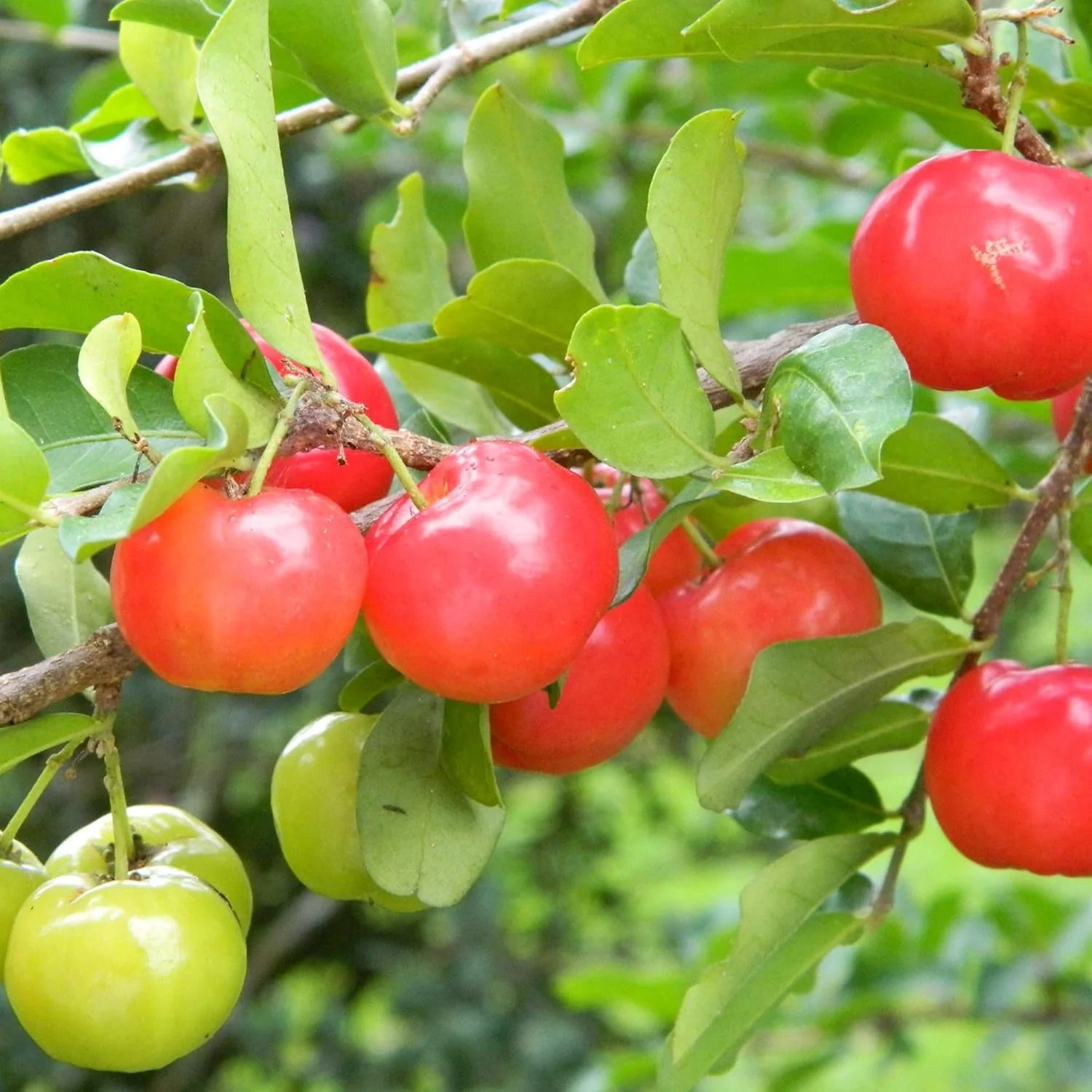
Barbados Cherry Seeds Acerola, Malpighia Emarginata Tropical Fruit Rich in Vitamin C & A for Juices Culinary 10Pcs Fruit Seeds
Grow your own Barbados Cherry Trees (Malpighia emarginata) from premium Non-GMO seeds and enjoy abundant, bright red tropical fruits known for their high Vitamin C and antioxidant content. Commonly called Acerola, this small, bushy tree is prized for its sweet-tart cherries used in fresh juices, desserts, and natural wellness blends.
Barbados Cherry plants are fast-growing, heat-loving, and ornamental, making them perfect for tropical and subtropical gardens, patios, and even large containers. With glossy evergreen leaves and pink blooms, they bring both beauty and nutrition to any garden.
Features:
-
Produces antioxidant-rich, sweet-tart cherries
-
Non-GMO, naturally sourced tropical fruit seeds
-
High in Vitamin C and A
-
Fast-growing and ornamental evergreen shrub
-
Ideal for home gardens, patios, and tropical landscapes
Specifications:
-
Common Name: Barbados Cherry, Acerola Cherry
-
Scientific Name: Malpighia emarginata
-
Plant Type: Evergreen tropical fruit shrub or small tree
-
Growth Habit: Dense, rounded canopy
-
Height: 6–15 feet (1.8–4.5 m)
-
Spread: 4–10 feet (1.2–3 m)
-
Fruit Characteristics: Bright red cherries with sweet-tart flavor
-
Bloom Time: Spring to late summer
-
Harvest Season: Late spring through fall
-
USDA Hardiness Zones: 9–11
-
Sun Exposure: Full sun
-
Soil Type: Well-drained sandy or loamy soil
-
Soil pH: 6.0–7.5
-
Watering: Regular; prefers consistently moist soil
-
Temperature Range: 70–95°F (21–35°C)
-
Season: Best planted in spring or early summer
-
Germination Time: 30–60 days
-
Plant Spacing: 5–10 feet apart
-
Pollination: Self-fertile but higher yield with multiple plants
-
GMO Status: Non-GMO
-
Organic Status: Naturally grown (non-certified)
Planting Guide:
-
Soak seeds in warm water for 24 hours before planting.
-
Sow ¼ inch deep in well-draining tropical soil mix.
-
Keep soil moist and warm (75–85°F) for germination.
-
Transplant seedlings outdoors or into larger pots once established.
-
Provide full sunlight and consistent watering.
-
Prune lightly to shape after fruiting season.
Grow your own Barbados Cherry Trees (Malpighia emarginata) from premium Non-GMO seeds and enjoy abundant, bright red tropical fruits known for their high Vitamin C and antioxidant content. Commonly called Acerola, this small, bushy tree is prized for its sweet-tart cherries used in fresh juices, desserts, and natural wellness blends.
Barbados Cherry plants are fast-growing, heat-loving, and ornamental, making them perfect for tropical and subtropical gardens, patios, and even large containers. With glossy evergreen leaves and pink blooms, they bring both beauty and nutrition to any garden.
Features:
-
Produces antioxidant-rich, sweet-tart cherries
-
Non-GMO, naturally sourced tropical fruit seeds
-
High in Vitamin C and A
-
Fast-growing and ornamental evergreen shrub
-
Ideal for home gardens, patios, and tropical landscapes
Specifications:
-
Common Name: Barbados Cherry, Acerola Cherry
-
Scientific Name: Malpighia emarginata
-
Plant Type: Evergreen tropical fruit shrub or small tree
-
Growth Habit: Dense, rounded canopy
-
Height: 6–15 feet (1.8–4.5 m)
-
Spread: 4–10 feet (1.2–3 m)
-
Fruit Characteristics: Bright red cherries with sweet-tart flavor
-
Bloom Time: Spring to late summer
-
Harvest Season: Late spring through fall
-
USDA Hardiness Zones: 9–11
-
Sun Exposure: Full sun
-
Soil Type: Well-drained sandy or loamy soil
-
Soil pH: 6.0–7.5
-
Watering: Regular; prefers consistently moist soil
-
Temperature Range: 70–95°F (21–35°C)
-
Season: Best planted in spring or early summer
-
Germination Time: 30–60 days
-
Plant Spacing: 5–10 feet apart
-
Pollination: Self-fertile but higher yield with multiple plants
-
GMO Status: Non-GMO
-
Organic Status: Naturally grown (non-certified)
Planting Guide:
-
Soak seeds in warm water for 24 hours before planting.
-
Sow ¼ inch deep in well-draining tropical soil mix.
-
Keep soil moist and warm (75–85°F) for germination.
-
Transplant seedlings outdoors or into larger pots once established.
-
Provide full sunlight and consistent watering.
-
Prune lightly to shape after fruiting season.
Description
Grow your own Barbados Cherry Trees (Malpighia emarginata) from premium Non-GMO seeds and enjoy abundant, bright red tropical fruits known for their high Vitamin C and antioxidant content. Commonly called Acerola, this small, bushy tree is prized for its sweet-tart cherries used in fresh juices, desserts, and natural wellness blends.
Barbados Cherry plants are fast-growing, heat-loving, and ornamental, making them perfect for tropical and subtropical gardens, patios, and even large containers. With glossy evergreen leaves and pink blooms, they bring both beauty and nutrition to any garden.
Features:
-
Produces antioxidant-rich, sweet-tart cherries
-
Non-GMO, naturally sourced tropical fruit seeds
-
High in Vitamin C and A
-
Fast-growing and ornamental evergreen shrub
-
Ideal for home gardens, patios, and tropical landscapes
Specifications:
-
Common Name: Barbados Cherry, Acerola Cherry
-
Scientific Name: Malpighia emarginata
-
Plant Type: Evergreen tropical fruit shrub or small tree
-
Growth Habit: Dense, rounded canopy
-
Height: 6–15 feet (1.8–4.5 m)
-
Spread: 4–10 feet (1.2–3 m)
-
Fruit Characteristics: Bright red cherries with sweet-tart flavor
-
Bloom Time: Spring to late summer
-
Harvest Season: Late spring through fall
-
USDA Hardiness Zones: 9–11
-
Sun Exposure: Full sun
-
Soil Type: Well-drained sandy or loamy soil
-
Soil pH: 6.0–7.5
-
Watering: Regular; prefers consistently moist soil
-
Temperature Range: 70–95°F (21–35°C)
-
Season: Best planted in spring or early summer
-
Germination Time: 30–60 days
-
Plant Spacing: 5–10 feet apart
-
Pollination: Self-fertile but higher yield with multiple plants
-
GMO Status: Non-GMO
-
Organic Status: Naturally grown (non-certified)
Planting Guide:
-
Soak seeds in warm water for 24 hours before planting.
-
Sow ¼ inch deep in well-draining tropical soil mix.
-
Keep soil moist and warm (75–85°F) for germination.
-
Transplant seedlings outdoors or into larger pots once established.
-
Provide full sunlight and consistent watering.
-
Prune lightly to shape after fruiting season.